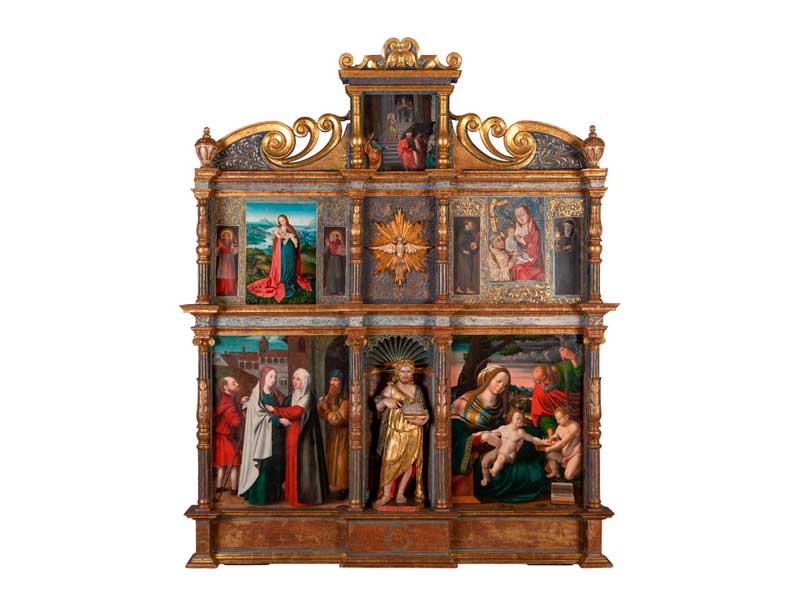
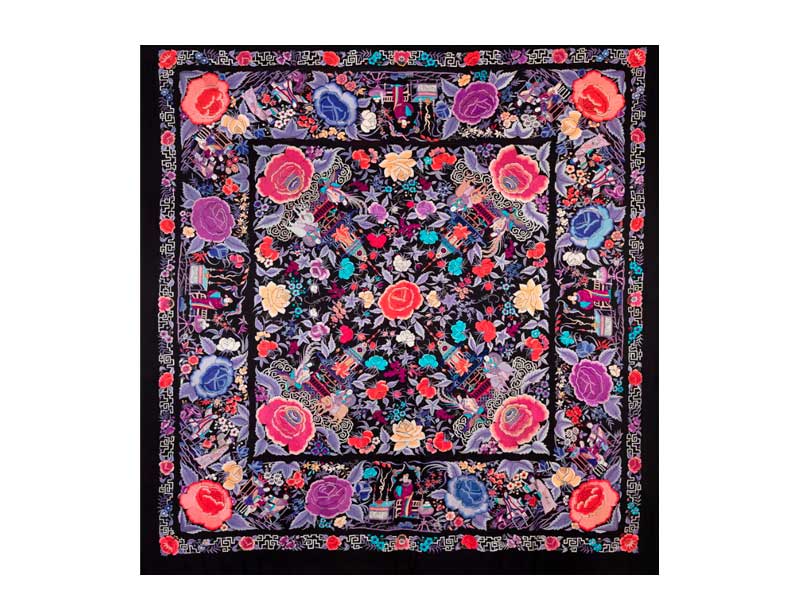
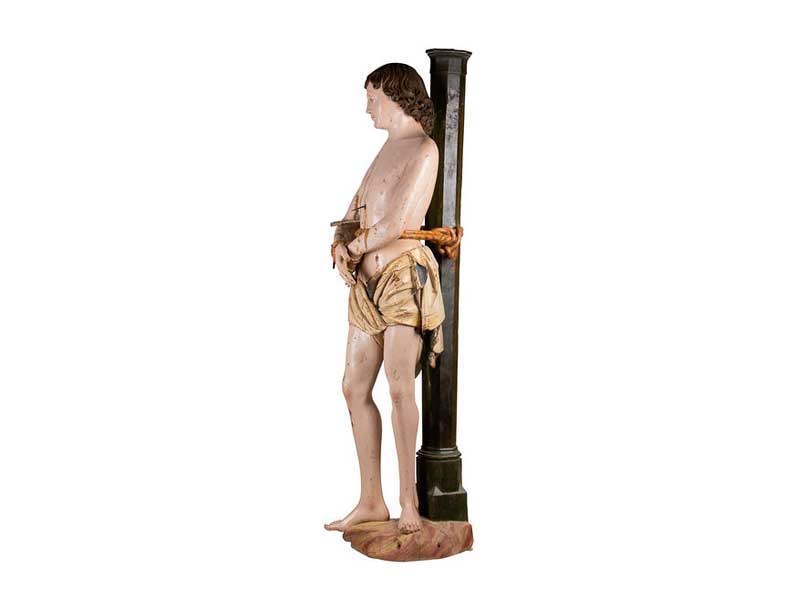
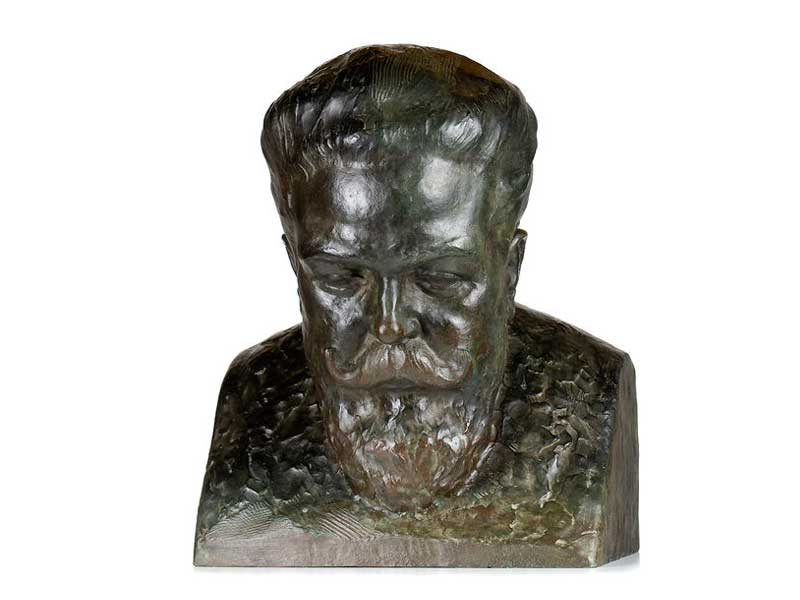
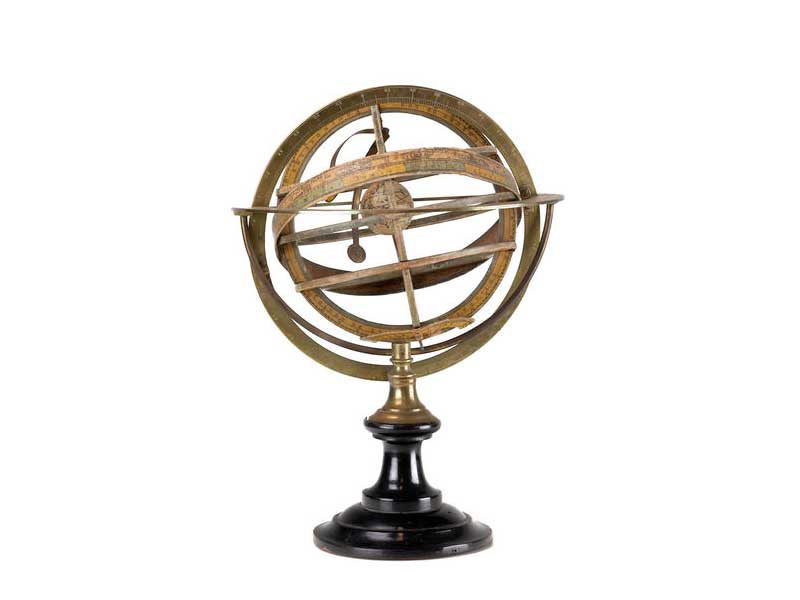
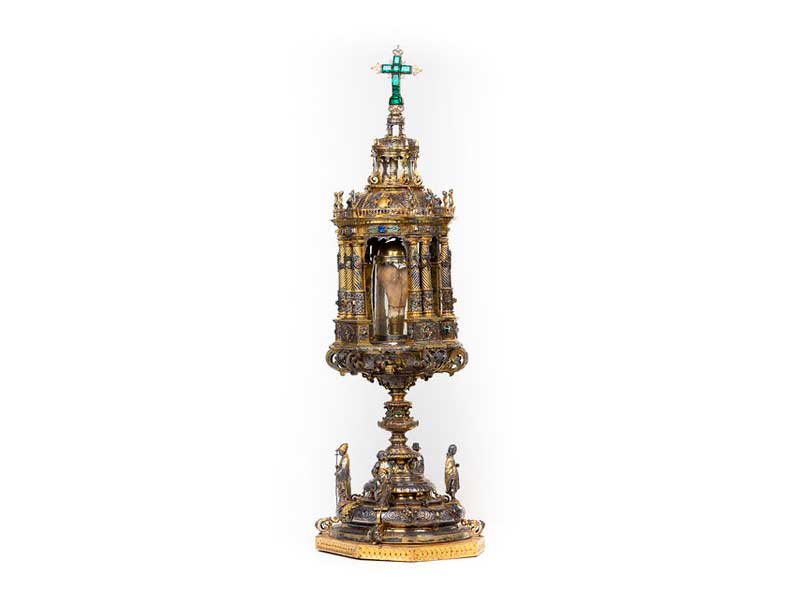
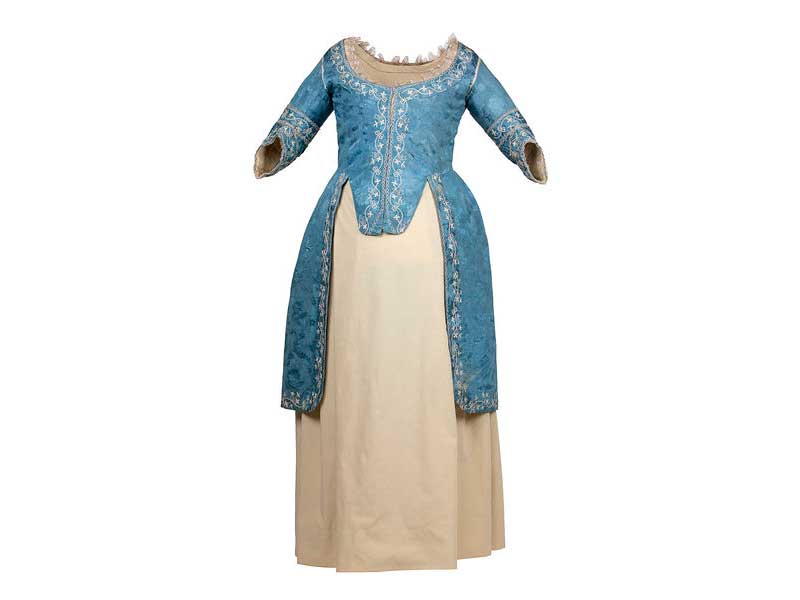
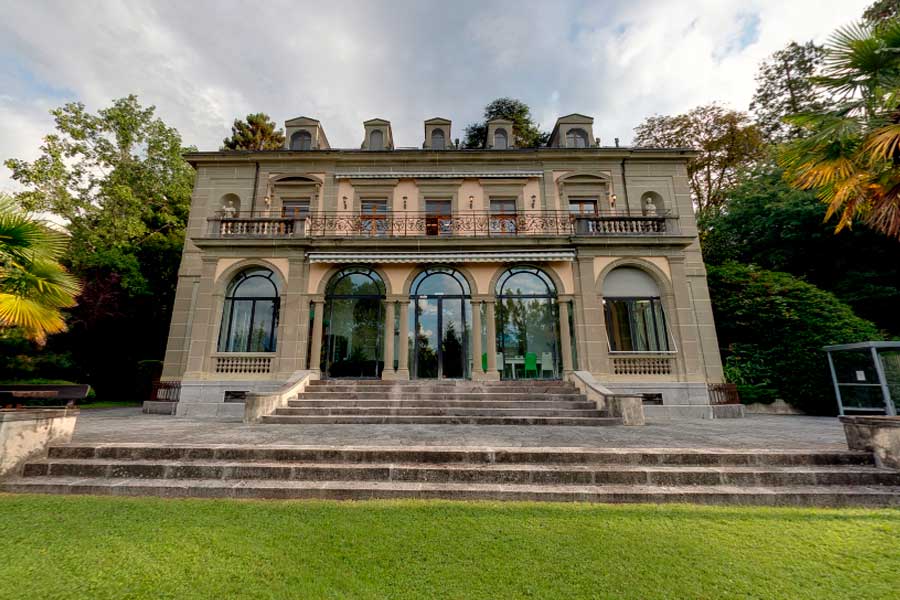
360° virtual exhibitions for the Museu Tèxtil de Terrassa — home to one of Europe's most important textile collections. Information points, gigaphotography and an integrated artwork search engine.
Museu Tèxtil de Terrassa
The Museu Tèxtil de Terrassa safeguards one of Europe's most important textile collections, with over 30,000 catalogued pieces spanning centuries of history.
The challenge
Enabling comfortable museum visits from home — both the installation and the artworks —, being able to get close to each piece and see the textiles up close, while also preserving each exhibition's setup as documentation.
The solution
360° virtual exhibitions that allow visitors to walk through the museum rooms immersively from any device. Navigation is designed so visitors can orient themselves easily: by thumbnails of each room, by map, by arrows, or by clicking directly on an artwork to go straight to it.
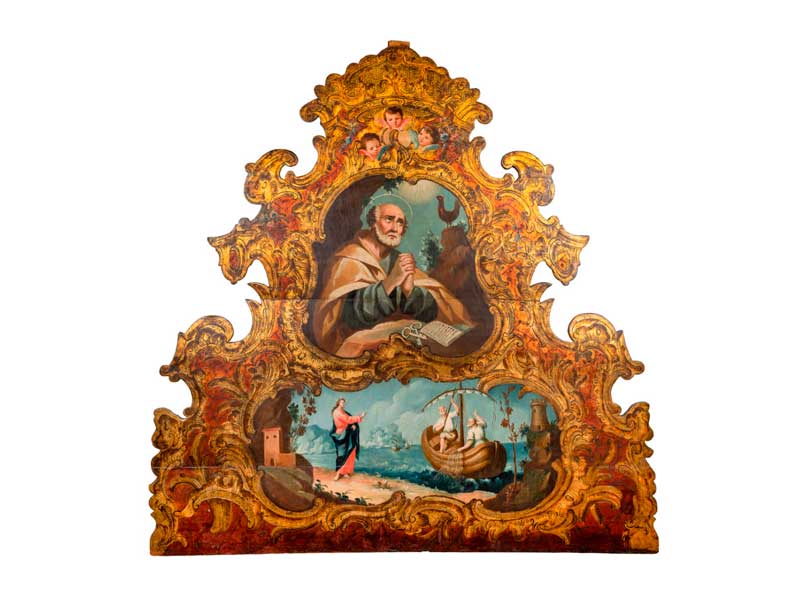
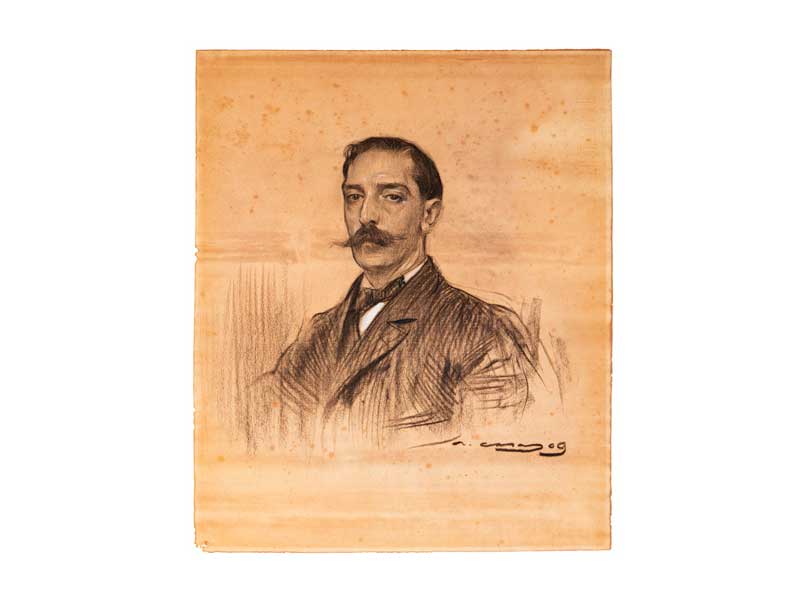
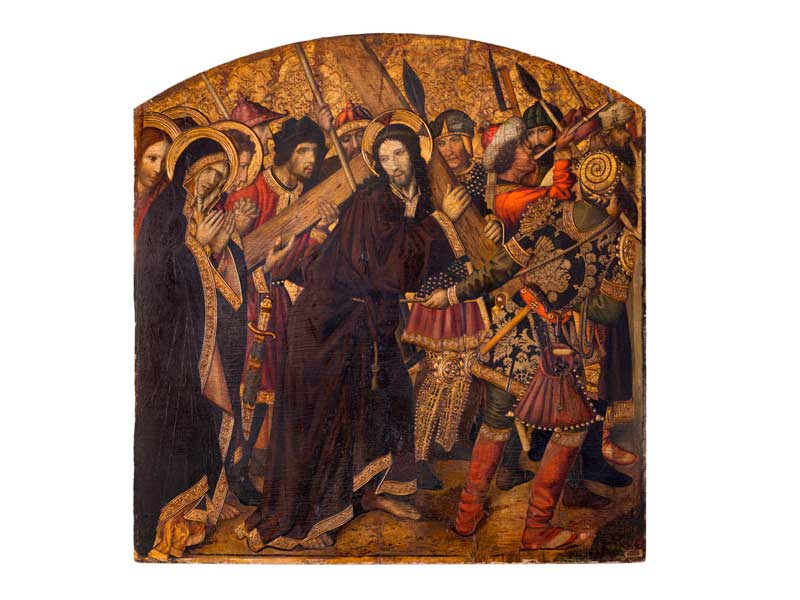
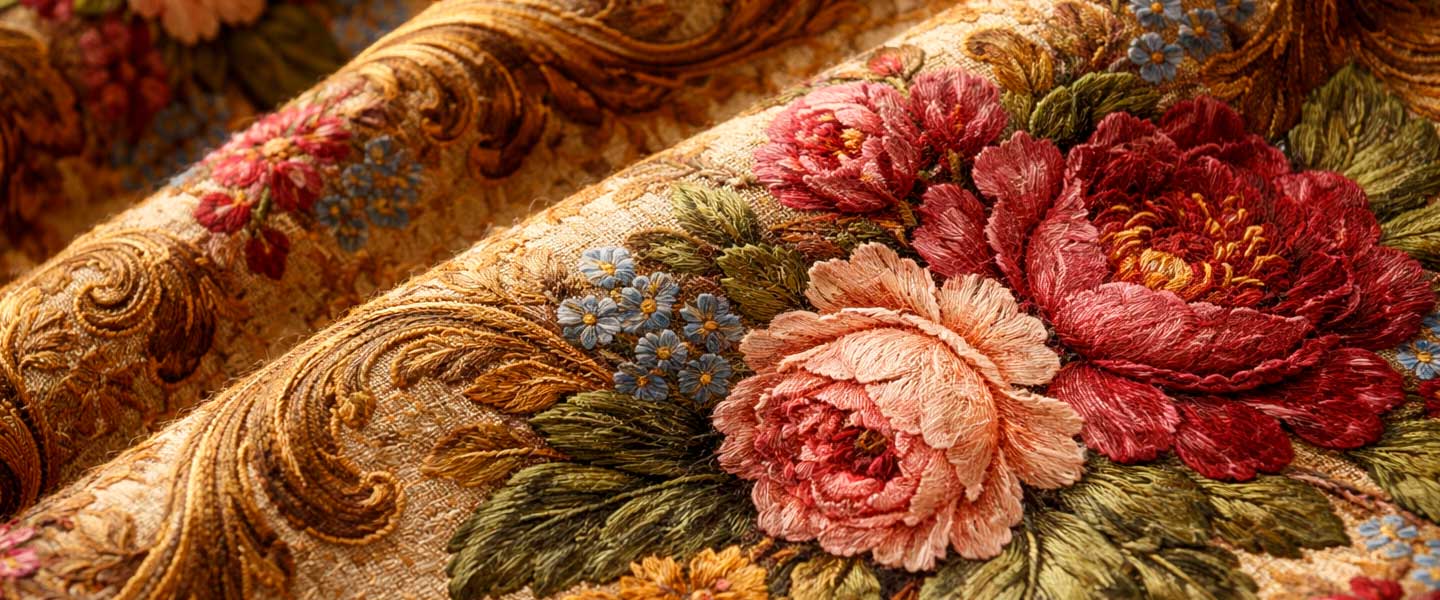
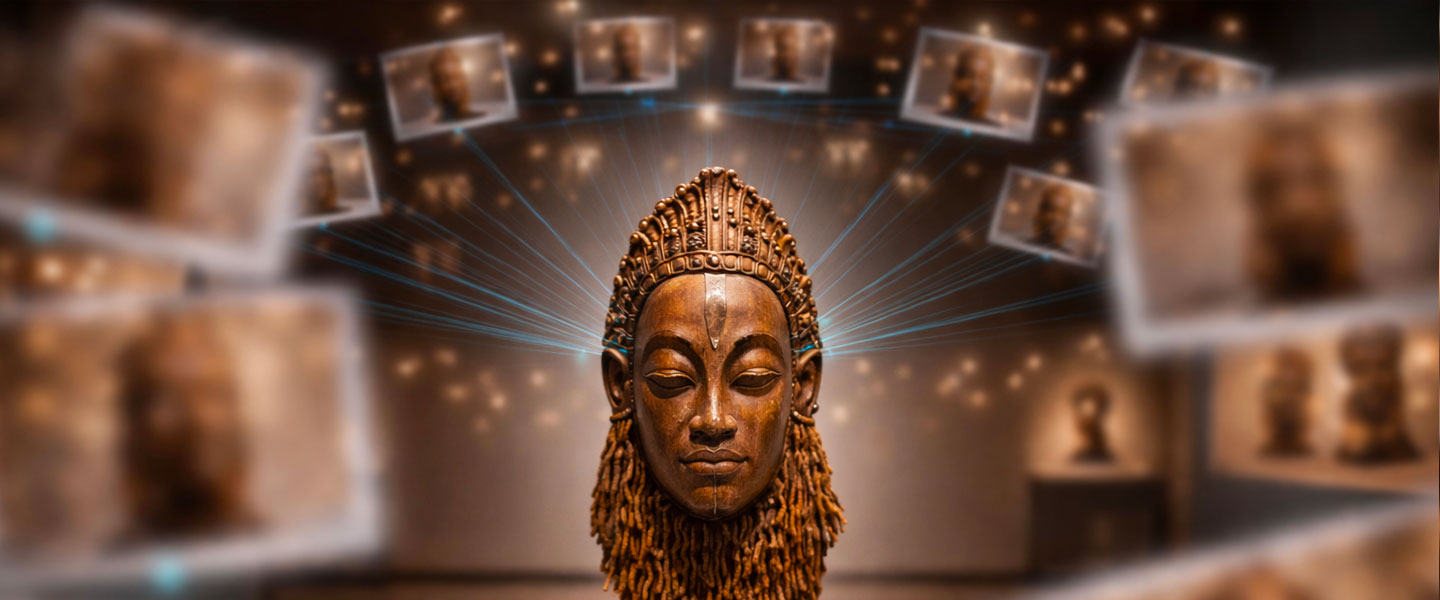
One of the central features is the artwork gallery-search engine: a visual gallery with all exhibited pieces where clicking on one takes you directly to the artwork within the exhibition. There, besides seeing it in its exhibition context, you can access its high-resolution gigaphotography to explore textures, weaves and details impossible to appreciate with the naked eye — and deepen your knowledge with the piece's information card.
Each exhibition also incorporates information points with detailed data on every work.
Exhibitions
Un museu, mil trames is the centrepiece: a complete tour with gigaphotography, information points, artwork search engine and multiple navigation systems.
The exhibition Decorum, dedicated to textile decoration, is also available to visit.
Results
- Virtual exhibitions accessible 24/7 from anywhere in the world
- Information points with detailed records for each exhibited piece
- Gigaphotography to appreciate texture and detail of textiles at macro scale
- Artwork search engine integrated within the 360° experience
Living exhibition, permanent memory — The virtual exhibition allows visitors to admire the works in greater detail than the on-site exhibition itself, while permanently preserving the exhibition setup as a historical document.